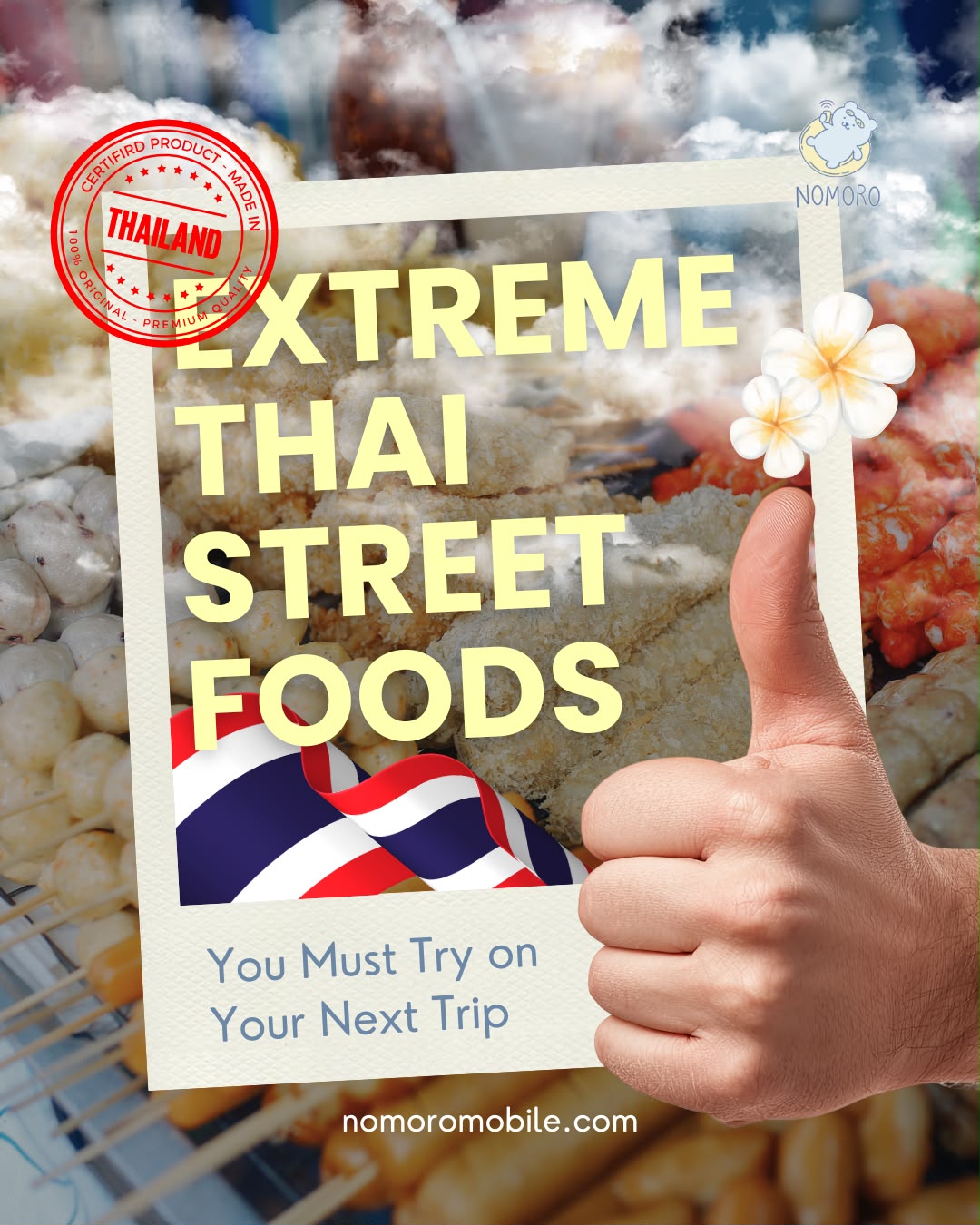
Extreme Thai Street Foods You Must Try on Your Next Trip
Thailand is a certified paradise for food lovers. Most travelers touch down in Bangkok with visions of creamy Pad Thai, aromatic Green Curry, and sweet Mango Sticky Rice dancing in their heads. The country's culinary scene is famous for its vibrant balance of sweet, sour, salty, and spicy flavors. But if you walk past the standard tourist cafes and dive deep into the bustling night markets, you will find a completely different side to Thai gastronomy.
For culinary adventurers, thrill-seekers, and hardcore foodies, Thailand offers an array of "extreme" street foods. These dishes challenge your preconceptions, push your sensory boundaries, and make for unforgettable travel stories. Far from being simple tourist gimmicks, many of these delicacies have deep roots in regional history and rural agricultural traditions.
If you want to elevate your next vacation into a true culinary expedition, here are the ultimate extreme Thai street foods you must try.
1. Malalaeng (Fried Insects)
Let’s start with the classic gateway to extreme eating: Malalaeng. Walking through high-energy spots like Khao San Road or the Rod Fai Night Markets, you will definitely spot open-air carts piled high with crispy, golden-brown bugs. You can choose from silkworms, grasshoppers, crickets, and even giant water bugs.
Most insects are deep-fried until perfectly crunchy, seasoned with a splash of savory soy sauce, and dusted with a hint of white pepper.
- The Taste Profile: If you can get past the visual barrier, you will find that fried crickets and grasshoppers taste remarkably like nutty, extra-salty potato chips or popcorn. Silkworms have a slightly softer texture with a rich, buttery flavor. Beyond the fun factor, edible insects are recognized by global organizations as a highly sustainable, eco-friendly source of high protein (FAO, 2023).
2. Goong Ten (Dancing Shrimp)
Hailing from the rural Isan region of Northeastern Thailand, Goong Ten literally translates to "dancing shrimp" and the name is entirely literal. This dish consists of tiny, translucent freshwater shrimp that are captured and served completely alive.
The vendor mixes the live shrimp with a fiery dressing made of fish sauce, lime juice, ground roasted rice, chili flakes, shallots, and fresh herbs like mint and lemongrass. When the lime juice hits the shrimp, it causes them to jump and "dance" actively inside the bowl.
- The Taste Profile: Eating Goong Ten is an intense sensory experience. As you take a bite, you can feel the tiny shrimp moving. The flavor profile is an absolute masterpiece of classic Isan cuisine sharply sour, intensely spicy, and incredibly fresh, with a nice pop of texture from the shrimp.
3. Larb Mua Din (Raw Pork Soup with Blood)
Another legendary delicacy from Northern Thailand is Larb Mua Din. While standard larb features cooked minced meat salad, this extreme version utilizes raw minced pork mixed with a complex paste of local dried spices, topped off with a generous splash of fresh, raw pig's blood.
- The Taste Profile: Because it is packed with aromatic herbs and deep spices like prickly ash and cloves, the dish does not have a metallic or gamey taste. Instead, it offers a rich, velvety, and deeply savory flavor profile. However, due to health guidelines regarding raw meat consumption, food safety experts recommend only purchasing this dish from highly reputable, busy local vendors who prepare it fresh on order (Mahidol University, 2024).
4. Mok Huak (Steamed Tadpoles)
If you travel through the Thai countryside during the rainy monsoon season, you might encounter Mok Huak. This seasonal Isan delicacy features developing frog tadpoles that have grown small legs but haven't lost their tails yet. The tadpoles are thoroughly washed, tossed with heavy fish sauce (plara), shallots, lemongrass, chilies, and sweet basil, then wrapped securely in a banana leaf and roasted over hot charcoals.
- The Taste Profile: Cooking them inside a banana leaf seals in the moisture, giving the tadpoles a texture similar to tender fish or soft chicken chunks. The heavy addition of local herbs masks any muddy flavor, creating a rich, intensely spicy, and aromatic dish.
5. Som Tum Hoi Dong (Fermented Oysters in Red Chili Salad)
You are probably familiar with standard green papaya salad, but Som Tum Hoi Dong takes things to a fiery new tier. This version replaces standard dried shrimp with Hoi Dong—small, local oysters that have been fermented in a distinct, blood-red brine. The fermented oysters are pounded into a shredded green papaya base along with lime juice, garlic, and a mountain of bird's eye chilies.
- The Taste Profile: This dish is a massive explosion of bold flavors. It is intensely sour, heavily spicy, and carries a strong, pungent, deeply salty kick from the fermented seafood brine. It is an absolute favorite among locals who crave intense heat.
Share Your Foodie Escapades instantly, Stay Connected
Navigating Thailand’s wild night markets and filming your friends trying live dancing shrimp requires an absolute powerhouse of a digital connection. You need to instantly upload high-definition video stories to your social feeds, look into live street maps to find hidden alleys, translate unfamiliar menu terms on the fly, and use ride-hailing apps to get back to your hotel after a long night of exploring. Standing in long airport lines to buy physical SIM cards or dealing with slow, unsafe public Wi-Fi is a major buzzkill.
That is exactly why savvy adventurers download NOMORO before stepping on the plane.
NOMORO is a premium eSIM application built for modern travelers who want instant, reliable internet data without the hassle of plastic cards or surprise roaming fees. Simply open the app, pick a tailored data plan for Thailand, and scan your digital QR code. The exact second your plane lands in Bangkok, you connect straight to the fastest local 4G/5G networks. Packed with curated travel guides, tips, and tricks, the app keeps your journey seamless. Plus, thanks to our Doku integration, you can pay easily via QRIS, GoPay, OVO, Dana, ShopeePay, or Virtual Accounts. Download NOMORO at Nomoromobile.com and travel smarter!
NOMORO: Travel internet made simple.
References
- FAO. (2023). Looking at edible insects from a food safety perspective: Challenges and opportunities for the sector. Food and Agriculture Organization of the United Nations. https://www.fao.org/
- Mahidol University. (2024). Public health and food safety guidelines for traditional regional dishes in Thailand. Faculty of Public Health. https://mahidol.ac.th/
- Tourism Authority of Thailand. (2025). The culinary map of Isan: Exploring northeastern Thai street food traditions. Ministry of Tourism and Sports. https://www.tourismthailand.org/